Best Pool Covers (2026)
The best pool covers for 2026: top solar covers for heat and winter covers for the off-season, plus how to size, choose thickness, and cut heating costs.
A pool cover is the cheapest upgrade that touches everything: water temperature, chemical use, evaporation, and cleanup. There are two jobs to cover, though. A solar cover warms the water and slows evaporation during swim season, and a winter cover protects the pool while it sits closed. For 2026 our top solar pick is the Sun2Solar 12 mil bubble blanket for its balance of heat retention and handling, and our top off-season pick is the Robelle heavy-duty winter cover for its durability and warranty. Below are six covers across both jobs, plus how to size and choose one.
Best Pool Covers for 2026

Sun2Solar Blue 24 ft Round Solar Cover (12 Mil)
Heat-retaining bubble blanket that warms the water and cuts evaporation.
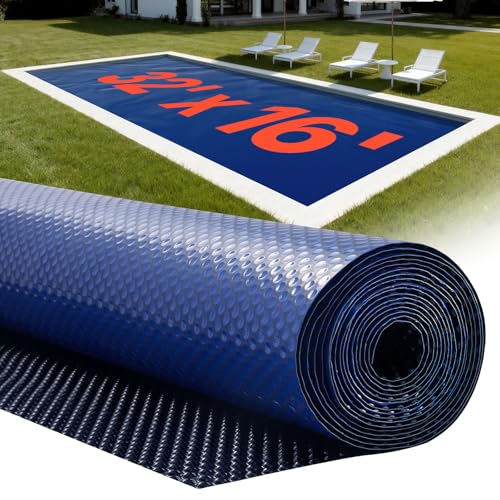
VEVOR 16 Mil Solar Pool Cover 32 x 16 ft
Heavy 16 mil dual-layer cover for maximum heat retention, cuttable to shape.

In The Swim 21 ft Round Solar Cover (8 Mil)
Lightweight, easy-to-handle solar blanket for above-ground and inground pools.

Robelle 24 ft Heavy Duty Winter Cover
Solid winter cover with 4 ft overlap and a 10-year warranty for above-ground pools.

Yankee Pool Pillow 24 ft Round Winter Pool Cover
Extra-thick cold- and UV-resistant winter cover for above-ground pools.
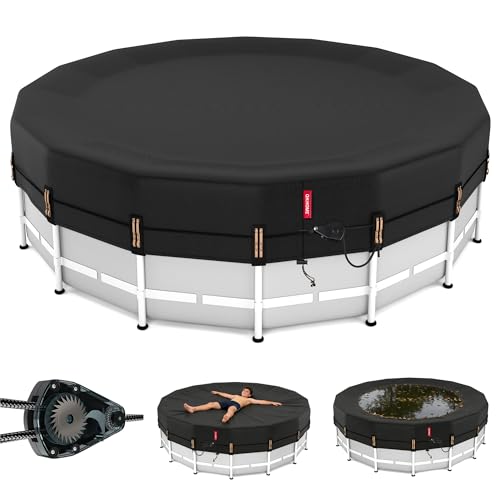
QH.HOME 18 ft Round Windproof Pool Cover
Tear-resistant cover with ratchet and weight rings for a snug, windproof fit.
Solar covers vs winter covers
These two covers do opposite jobs, and most pool owners eventually own both. A solar cover is a lightweight bubble blanket that floats on the water during swim season, capturing daytime sun and trapping heat overnight. A winter cover is a heavy, solid or mesh tarp that goes on at closing to keep debris and sunlight out until spring. Know which job you are solving before you shop.
| Factor | Solar cover | Winter cover |
|---|---|---|
| Main job | Add heat, cut evaporation | Block debris over the off-season |
| Season | Swim season, daily use | Closed pool, fall through spring |
| Material | Bubble blanket, measured in mils | Heavy solid or mesh tarp |
| Removed to swim? | Yes, before every swim | No, stays on all winter |
| Heat benefit | High | None |
The picks in detail
Sun2Solar 12 mil: best solar cover
Sun2Solar is one of the most popular names in solar blankets, and the 12 mil round cover is the sweet spot for most backyard pools. The thousands of small air bubbles face down into the water to transfer the sun's heat, while the cover floats to trap that warmth and block overnight evaporation. At 12 mil it retains heat well without being unwieldy to pull on and off. It is sold to size for round pools and represents the best all-around balance of performance and handling.
VEVOR 16 mil: best heat retention
If your priority is squeezing every degree out of the sun, the VEVOR 16 mil cover is the heavy hitter. The thicker dual heat-locking layer absorbs more daytime heat and holds it longer overnight than thinner blankets, and the rectangular sheet is cuttable so you can trim it to your exact pool shape. It is heavier to handle, so a reel is worth pairing with it, but for cold-climate owners chasing maximum warmth it delivers.
In The Swim 21 ft 8 mil: best value
A lighter 8 mil cover trades a little heat retention for a lot of convenience, and In The Swim's round solar cover is an easy, affordable entry point. It is simple to pull on and off by hand, works on above-ground and inground pools, and still slows evaporation and adds daytime warmth. For an owner who wants the benefits of a solar cover without wrestling a heavy blanket, it is a smart value.
Robelle heavy-duty 24 ft: best winter cover
When the season ends, the Robelle winter cover protects an above-ground pool through the cold months. The solid scrim blocks leaves, debris, and sunlight, which helps prevent off-season algae, and it ships with a four-foot overlap to wrap over the edge and anchor down. A long warranty backs the build quality. It is our top off-season pick for owners who want to close up and not worry until spring.
Yankee extra-thick 24 ft: durable cold-weather cover
For harsh winters, the Yankee cover leans into thickness and durability with cold- and UV-resistant material built to take a beating from snow and ice. It is a premium above-ground winter cover for owners who want extra margin against tough weather and a longer service life. If your closing season is long and brutal, the heavier build pays off.
QH.HOME 18 ft windproof: best budget
The QH.HOME cover keeps the off-season simple and cheap. Its tear-resistant fabric, ratchet tightening, and weight rings give a snug, windproof fit that resists lifting in a storm, and it blocks leaves and water from getting in. For a smaller above-ground pool on a budget, it is an easy, secure way to keep the pool clean while it sits idle.
How we chose
These picks come from research into cover types and materials, manufacturer specifications, and patterns across verified owner reviews, not from hands-on testing in our own pool. We split the list by job, solar versus winter, because choosing the right type matters far more than choosing a brand. For solar covers we weighted thickness in mils, heat retention, handling weight, and fit, and for winter covers we focused on debris blocking, UV and cold resistance, secure anchoring, and warranty. Across both we valued durability, since a cover lives outdoors in sun, wind, and ice, and a cover that lasts several seasons is the better buy even at a higher price.
Size your cover and your heating
To order the right cover, measure your pool at its longest and widest points, or the diameter for a round pool, and check the listed pool size against the cover size, since winter covers add an overlap allowance and many solar covers can be trimmed to shape. A cover is also the best partner to any heater, because holding heat in overnight is the cheapest way to lower running costs. If you are weighing a heater alongside a cover, measure your pool and run the numbers in our heater size calculator to see what output you need, then let a solar cover keep that warmth where it belongs. Together they extend your season for far less than heating alone.
Pool Care & Maintenance Planner
Water-test log, chemical dosing tracker, weekly maintenance schedule, and opening and closing checklists, in one printable planner that keeps your pool clear all season.
We review it on its own too, in full detail: the Hayward H400, whose running cost a cover halves.
Frequently Asked Questions
What is the difference between a solar cover and a winter cover?
A solar cover is a bubble blanket used during swim season to add daytime heat and slow evaporation, so it floats on the water and is removed before you swim. A winter cover is a heavy tarp-style cover that goes on when you close the pool, blocking leaves, debris, and sunlight through the cold months. They do opposite jobs: one keeps your pool warm and usable, the other protects it while it sits idle.
How much heat does a solar cover add?
A solar cover does two things: it absorbs daytime sun to warm the water, and it blocks the overnight evaporation that is the largest source of heat loss. Many owners report several degrees of gain from a cover alone, and far more value when paired with a heater because the cover holds that purchased heat in. The thicker the cover, measured in mils, the better it traps heat, though heavier covers are harder to handle.
What thickness solar cover should I buy?
Solar covers are measured in mils, and thicker generally means better heat retention and durability. Lighter covers around 8 mil are easy to handle and cost less, mid-range 12 mil covers balance performance and weight, and heavy 16 mil covers retain the most heat and last longest. For most backyard pools a 12 mil cover is the practical sweet spot. Whatever you choose, a reel makes a large cover far easier to remove and replace.
Do I need a winter cover if I live somewhere mild?
Even in a mild climate, a winter or debris cover saves work by keeping leaves, dirt, and pollen out while the pool sits unused. That means clearer water and less cleanup when you reopen. Solid covers also block sunlight, which helps prevent algae over the off-season. If you keep your pool open year round, a solar cover may serve you better, but a debris cover still earns its keep during low-use months.
How do I size a pool cover?
Measure your pool at its longest and widest points, and for round pools measure the diameter. Solar covers are often sold slightly oversized so you can trim them to the exact shape with scissors. Winter covers are sold with an overlap allowance, so a 24-foot pool uses a larger cover to wrap over the edge and anchor down. Always check the listed pool size versus cover size so you order the right fit.
Will a cover reduce my chemical use?
Yes. A cover slows evaporation, which means less water and fewer chemicals lost to the air, and it blocks sunlight that burns off chlorine. The result is more stable water and less topping up of chemicals. A solar cover also reduces debris falling in, so your sanitizer is not constantly fighting organic load. Less evaporation, less chlorine loss, and less debris all add up to lower running costs.
Taking care of a pool?
Use our free calculators and guides to get every number right.
Pool Care Planner: $39