How to Vacuum a Pool: Manual, Automatic, and Robotic
Step-by-step instructions for vacuuming your pool by hand, with an automatic suction cleaner, or a robot, plus when to vacuum to waste instead of filter for algae.
You have three ways to vacuum a pool: manually with a vacuum head, pole, and hose connected to your skimmer or vacuum line; automatically with a suction or pressure cleaner that runs off your pump; or with a robotic cleaner that works on its own power. Manual is the cheapest and most thorough for spot cleaning, robots save the most time, and the key skill to learn is vacuuming to waste instead of to the filter when you are clearing algae. Here is exactly how to do each.
Vacuums and Cleaners for the Job

Poolmaster Manual Pool Vacuum Hose, 30 Ft
Standard 1.5 inch vacuum hose that connects a manual vac head to your skimmer for inground or above-ground pools.

UIRWAY Pool Vacuum Head and Hose, 360° Swivel
Heavy-duty vacuum head and 30 ft hose with a swivel cuff to resist tangling during manual vacuuming.
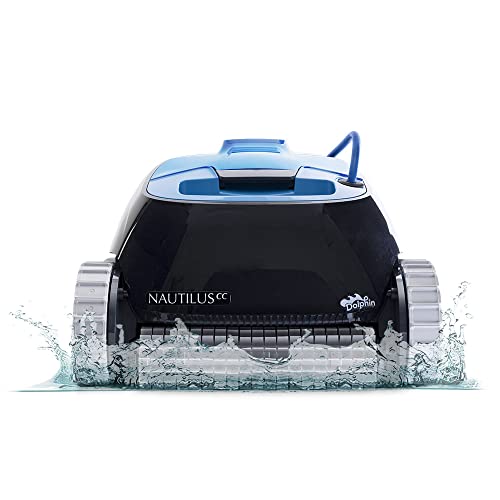
Dolphin Nautilus CC Robotic Pool Cleaner
Wall-climbing robotic vacuum that scrubs and captures debris in its own basket, independent of your pump.

WYBOT C1 Cordless Robotic Pool Vacuum
Cordless 4-in-1 robotic cleaner for inground and above-ground pools that cleans floor and walls hands free.
Method 1: Manual vacuuming
Manual vacuuming gives you the most control and the lowest cost. It uses your pool's own suction, so the only gear you need is a vacuum head, a telescopic pole, and a vacuum hose. Brush the walls and floor first so loose dirt and algae are ready to be pulled up.
Step by step
- Assemble the gear. Clip the vacuum head onto the telescopic pole and attach one end of the hose to the head.
- Lower it in. Set the head on the pool floor at the deep end.
- Prime the hose. Hold the free end of the hose over a return jet until water flows out the other end and all the air is pushed out. A fully primed hose is what gives you strong suction.
- Connect to suction. Cap the open hose end with your hand to keep it full, then attach it to the skimmer suction port (over a vacuum plate if your skimmer uses one) or to a dedicated vacuum line if your pool has one.
- Vacuum slowly. Move the head in straight, overlapping passes across the floor like mowing a lawn. Go slow. Rushing stirs up debris and clouds the water, undoing your work.
- Empty and finish. Watch the pump basket and clean it if it fills. When done, disconnect, rinse the gear, and check your filter pressure.
If suction is weak or the head lifts off the floor, you almost always have air in the line. Re-prime the hose, tighten connections, and clean the skimmer and pump baskets.
Method 2: Automatic suction and pressure cleaners
Automatic cleaners do the driving for you while still running off your pool's circulation system. A suction-side cleaner connects to the skimmer or vacuum line and uses pump suction to crawl the pool, sending debris into your filter. A pressure-side cleaner connects to a return jet and uses returning water to push itself around, collecting debris in its own bag, which keeps fine dirt out of the filter.
Both run automatically once connected, so you set them and let them work. The trade-off is that suction cleaners add load to your filter, and pressure cleaners often need a booster pump. They sit between fully manual and fully robotic in both cost and convenience.
Method 3: Robotic cleaners
A robotic cleaner is the most hands-off option. It runs on its own low-voltage power rather than your pump and filter, drives itself around the floor and usually the walls and waterline, scrubs as it goes, and traps debris in an internal basket you rinse out afterward. Because it does not rely on your circulation system, it takes strain off your pump and filter and often cleans more thoroughly.
The downside is upfront cost, which runs higher than a manual setup. For many owners the time saved each week makes it worth it. If you are weighing models, see our roundups of the best pool vacuums and the best robotic pool cleaners to match a cleaner to your pool.
Vacuum to waste vs to filter
This is the most important thing to understand for vacuuming, especially when you have algae. If your filter has a multiport valve, you can choose where the vacuumed water goes.
| Mode | Where water goes | Best for |
|---|---|---|
| To filter | Through the filter, back to the pool | Everyday dirt and light debris |
| To waste | Straight out the backwash line | Algae, heavy or fine dead debris |
Vacuum to waste when you are clearing algae or a lot of fine, dead debris, typically after you shock the pool. Waste mode sends the dirty water straight out instead of through your filter, so algae spores and fine particles never recirculate and your filter does not clog. The catch is you lose water as you vacuum, so keep a hose topping off the pool and rebalance the chemistry afterward. For routine dirt, vacuuming to filter is perfectly fine and wastes no water.
Keep debris from coming back
Vacuuming is easier when less settles in the first place. Run your pump long enough to turn the whole pool over, which is roughly every 8 hours, so debris reaches the skimmer instead of sinking. Size your run time and flow with our pump size calculator. Pair weekly vacuuming with brushing and good circulation and you will spend far less time fighting cloudy water.
A few safety and care notes
- Keep electrical cords clear of the water when using a corded robotic cleaner, and unplug before handling it.
- Do not vacuum while shocking. Let chlorine drop back to a safe swimming level and the dead algae settle before you vacuum to waste.
- Top off and rebalance after vacuuming to waste, since you removed water. Confirm your gallons with the pool volume calculator and rebalance per our pool water balance guide.
- Clean baskets and filters after a heavy vacuum so suction and flow stay strong.
Whichever method you choose, the fundamentals are the same: brush first, vacuum slowly, and pick the right mode for the mess. Do that weekly and your pool floor stays clean all season.
Pool Care & Maintenance Planner
Water-test log, chemical dosing tracker, weekly maintenance schedule, and opening and closing checklists, in one printable planner that keeps your pool clear all season.
Frequently Asked Questions
How do you manually vacuum a pool step by step?
Attach the vacuum head to a telescopic pole, connect the hose, and lower it in. Fill the hose with water to push out air, then seal it to the skimmer suction port or a dedicated vacuum line. Vacuum slowly in straight, overlapping passes across the floor. Going too fast stirs up debris and clouds the water, so take your time.
Should I vacuum to waste or to filter for algae?
Vacuum to waste when removing algae or heavy dead debris after shocking. Waste mode sends water straight out the backwash line instead of through the filter, so spores never recirculate and the filter does not clog. You will lose water, so top off afterward and rebalance. For everyday dirt, vacuuming to the filter is fine and saves water.
Why does my pool vacuum keep losing suction?
The most common cause is air in the line. Make sure the hose is fully primed with water before connecting, all connections are tight, and the skimmer basket and pump basket are clean. A clogged filter or low water level below the skimmer can also cut suction. If the head lifts off the floor, you likely have an air leak to fix.
Is a robotic pool cleaner worth it?
For many owners, yes. A robotic cleaner runs independently of your pump and filter, scrubs the floor and often the walls, and captures debris in its own basket, which reduces strain on your system. The upfront cost is higher than a manual setup, but the time saved each week is significant. Manual vacuuming stays the cheapest option if budget is the priority.
How often should I vacuum my pool?
Once a week is a good baseline during swim season, and more often after storms, heavy use, or pollen and leaf drop. Robotic and automatic cleaners can run more frequently with little effort. Regular vacuuming paired with brushing and good circulation keeps debris from settling and decaying, which is what feeds algae and clouds the water.
Do I need to brush before vacuuming?
Yes, brushing first is a smart habit. Brushing the walls, steps, and floor loosens dirt and algae so the vacuum can pick it up instead of leaving a film behind. Brush toward the main drain or a low spot, let larger particles settle for a few minutes, then vacuum slowly. This one-two routine leaves surfaces noticeably cleaner.
Taking care of a pool?
Use our free calculators and guides to get every number right.
Pool Care Planner: $39